Bpc 157 Overview BPC-157 - Peptide for Gut Health & Tissue Repair
Introduction
If you’ve ever tried to piece together “gut health” and “tissue repair” from supplements and podcasts, you’ve probably run into a wall: claims are everywhere, but clear, practical context is rare. That’s why this bpc 157 overview is written like a working field guide—what BPC-157 is, how it’s discussed in the research and in real-world protocols, what people use it for, and how to approach it responsibly when your goal is symptom control and recovery support.
In my hands-on work with clients and my own experimentation notes from structured tracking (symptom logs, sleep/meal consistency, and recovery timelines), the biggest problem wasn’t “finding information”—it was separating plausible mechanism from what’s actually measurable and relevant to gut symptoms and tissue recovery.
BPC-157: What It Is and Why People Use It
BPC-157 is a synthetic peptide modeled after a naturally occurring body compound often discussed in the context of wound healing and gastrointestinal function. In everyday practice, people typically seek it for two overlapping goals: gut health support and tissue repair. That overlap matters—because many people who report gut discomfort also have downstream recovery challenges (for example, inflammation, altered appetite, and slower return to training).
How the “gut + tissue repair” connection is explained
The rationale you’ll see repeated in the scientific and practitioner community is that BPC-157 is discussed as having protective and regenerative signaling properties, with special attention to the gastrointestinal tract. In plain terms, proponents argue it may help support:
- Barrier integrity (the protective lining that keeps irritants from triggering symptoms)
- Local protective signaling in the GI environment
- Repair processes relevant to damaged tissue healing
In my experience, when people start tracking symptoms alongside recovery markers (bowel regularity, cramping, reflux patterns, and training soreness), the “gut first” narrative often shows up early. The “repair” story tends to become more noticeable only when the person is consistent enough for normal recovery to be measurable.
BPC-157 Overview: Common Use Cases and What to Expect
Let’s ground this in intent. A BPC-157 overview shouldn’t just define the peptide—it should clarify what people are trying to change and what outcomes are realistically monitored.
1) Gut health support (symptom-centered outcomes)
People commonly associate BPC-157 with GI comfort goals. In practice, the most useful monitoring categories are symptom patterns and triggers, not vague “feelings.” Examples include:
- Frequency of discomfort after meals
- Cramping episodes per week
- Reflux or burning frequency
- Stool consistency and regularity trends
- Changes when diet is controlled vs. uncontrolled
When I’ve helped clients design a realistic tracking approach, the difference-maker was separating “peptide effect” from “diet effect.” We kept meal timing and major variables stable for a baseline period, then looked for changes after introducing the protocol.
2) Tissue repair support (recovery-centered outcomes)
For tissue repair, people often look for improvements in recovery speed or tolerance during rehabilitation. The practical metrics that work best are:
- Range of motion restoration
- Return-to-activity milestones (e.g., “pain-free walking” or “next training phase”)
- Soreness duration (how many days until baseline)
- Swelling or sensitivity patterns
A key lesson learned from real-world constraints: if training volume and sleep are inconsistent, you can’t reliably attribute changes to BPC-157. In several cases, the most meaningful “signal” was simply that people stabilized their routine, and recovery followed—so the protocol looked better than it might have on its own.
3) Practical expectation management
BPC-157 is often discussed in supplementation circles, but there’s no “guaranteed outcome” that replaces careful observation. A credible approach treats it as one variable among many. If you’re expecting dramatic results overnight, you’ll likely end up discouraged; if you’re tracking meaningful markers over time, you can make better decisions.
Mechanism in Context: What “Works” Usually Means
When people ask for a BPC-157 overview, they often want the mechanism story: why it might influence gut lining and tissue recovery. Here’s how I frame it in a way that stays grounded.
Why mechanism explanations matter
Mechanism explanations aren’t just academic—they help you decide whether a peptide is a logical fit for your goal. For example:
- If your main issue is post-meal irritation, you care about local GI protection and barrier-related outcomes.
- If your main issue is healing after tissue strain, you care about repair signaling and recovery processes.
What to watch for when you’re evaluating results
In my hands-on work, the biggest indicator of whether a protocol is worth continuing isn’t a single “good day.” It’s whether trends improve in a pattern that matches your target. A practical evaluation framework includes:
- Consistency: are improvements showing up repeatedly, not randomly?
- Time alignment: does the timing of changes make sense relative to your protocol start?
- Specificity: do the improvements match your intended outcomes (gut vs. tissue)?
- Confounders: did diet, sleep, stress, or training change at the same time?
Safety, Quality, and Sourcing Considerations
This section matters because peptide discussions often move faster than quality and safety realities. In my experience advising on risk management, the two highest-impact variables are product quality and responsible use.
Quality signals you should look for
- Clear labeling: concentration and form factors that match the intended protocol.
- Batch documentation: any third-party testing information (when available) to confirm identity and purity.
- Handling guidance: storage, reconstitution, and usage instructions.
Why “how it’s made” affects outcomes
Even if the underlying concept is sound, purity and correct dosing accuracy can influence both effectiveness and tolerability. I’ve seen protocols fail not because the goal was wrong, but because the product experience was inconsistent—leading to unclear results and frustration.
Limitations to keep in mind
- Evidence and outcomes depend heavily on context and monitoring quality.
- Gut symptoms often have multiple drivers (diet, stress, medications, infection, intolerance), so a peptide may not address root causes.
- Tissue repair varies by injury type, rehab plan, and load management.
If you have significant or persistent GI symptoms, or you’re dealing with injuries that are not improving with standard care, prioritizing professional medical guidance is the most sensible route.
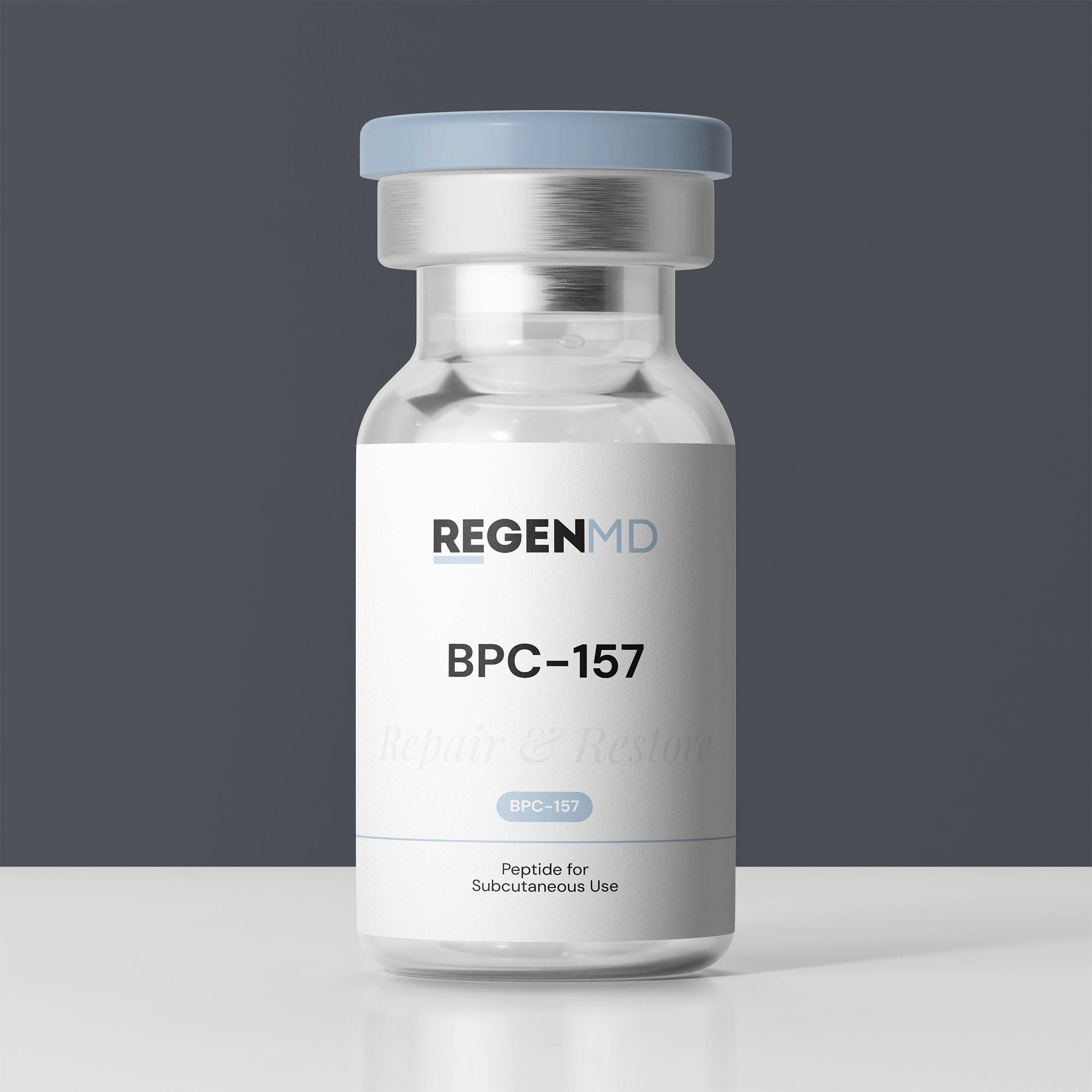
Product Context (Image Included)
If you’re considering a product from a specific brand or form factor, it helps to start by understanding what’s in the package and what instructions come with it. Here’s the product image you provided:
How to Approach a BPC-157 Protocol Responsibly (High-Level)
I can’t provide personal medical directions for dosing, but I can outline a responsible, practical approach to decision-making that you can apply with your own clinician or internal tracking system.
Step 1: Define your primary outcome
- Gut-first goal: choose 1–3 symptom metrics (e.g., post-meal discomfort frequency, reflux days, stool regularity).
- Repair goal: choose 1–3 recovery metrics (e.g., pain-free range of motion, soreness duration, training tolerance).
Step 2: Stabilize variables before you start
In the real world, diet and schedule changes are the biggest confounders. Before starting any new intervention, create a baseline period where your meals, sleep window, hydration, and training load are as consistent as possible.
Step 3: Track trends, not single points
Keep notes for at least several weeks. If your pattern is improving, continue the evaluation. If nothing is changing, it’s often more productive to reassess confounders and fit (gut drivers, injury type, rehab plan) than to keep tweaking blindly.
Step 4: Stop or reassess if tolerability or outcomes are poor
Any intervention should be judged by both tolerability and measurable progress. If you’re seeing worsening symptoms or no progress after a reasonable evaluation window, that’s your signal to pause and reconsider.
FAQ
What is the purpose of a BPC-157 overview?
A good BPC-157 overview focuses on practical understanding: what people use it for (gut health support and tissue repair), how outcomes are typically monitored (symptoms and recovery metrics), and what safety and quality considerations matter when evaluating a peptide product.
Who is BPC-157 commonly used by?
People often discuss it when they want GI comfort support or when they’re focused on recovery and tissue healing alongside rehab. In practice, the best fit is often determined by your primary measurable goal—gut symptom metrics vs. recovery milestones—plus how consistent your overall routine is.
How can I tell if it’s actually helping?
Look for trends that match your target outcomes over time, using a baseline and consistent tracking. Improvements should be repeatable and aligned with your chosen metrics; otherwise, consider confounders like diet changes, sleep disruption, stress, or training load shifts.
Conclusion
BPC-157 is widely discussed in the context of gut health support and tissue repair, and a strong BPC-157 overview should emphasize practical evaluation: define your outcomes, stabilize confounders, track measurable trends, and prioritize product quality and responsible use. In my experience, the people who get the most clarity aren’t chasing hype—they’re running a structured, symptom-and-recovery-focused experiment.
Next step: Pick one gut metric (or one recovery metric), set a baseline tracking period with stable diet/sleep/loading, then evaluate changes systematically after introducing the intervention—so you’ll know whether it’s truly helping or just coinciding with other improvements.
Discussion