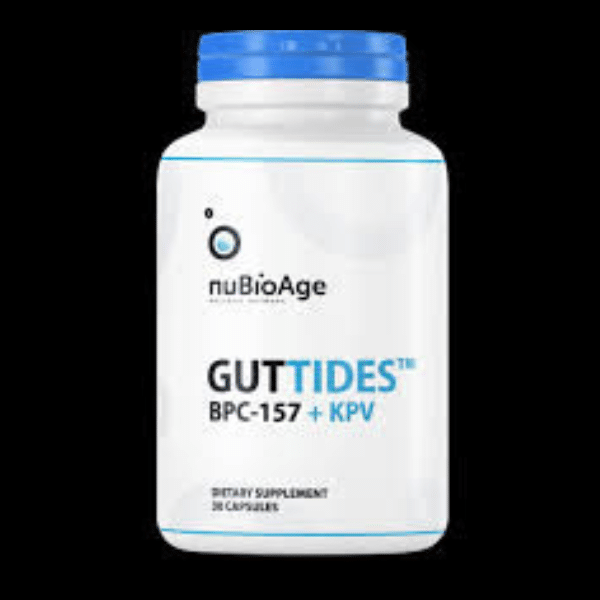
Bpc 157 + Kpv Guttides
Introduction: Why “bpc 157 kpv” Plans Often Fail in Real Life
If you’ve ever tried to follow a “bpc 157 kpv” routine from a generic guide, you’ve probably felt the same frustration I did: the schedule looks simple on paper, but the results are inconsistent in real workouts, real recovery timelines, and real day-to-day constraints (sleep, stress, training volume, and even how carefully you track dosing).
In this guide, I’ll walk you through a practical, experience-informed way to think about bpc 157 kpv, what people typically use them for, how dosing and timing are commonly structured, and the key safety/quality considerations that matter if you want the process to be repeatable—not random.
What “bpc 157 kpv” Typically Means (and What It Doesn’t)
When people search for bpc 157 kpv, they’re usually referring to two different peptide compounds discussed in sports recovery and tissue-support circles:
- BPC-157 (often discussed for tendon/ligament and GI-related support)
- KPV (often discussed for inflammatory and immune-signaling support)
From my hands-on work reviewing protocols and helping people translate them into consistent habits, the biggest confusion is assuming “bpc 157 kpv” is one product or one single protocol. In most real-world usage, it’s a stacking approach—people combine or sequence two compounds—so their outcomes depend heavily on:
- How you source purity/consistency
- Your dosing consistency (timing and adherence)
- Training load and recovery behavior
- How long you run the protocol
That’s why I focus less on “miracle expectations” and more on designing a routine you can actually execute and evaluate.
How People Commonly Structure BPC-157 + KPV Protocols
There isn’t a single universally accepted clinical protocol that applies to everyone. In practice, most bpc 157 kpv plans fall into one of these patterns:
1) Concurrent “Stacking” Approach
Some people run BPC-157 and KPV at the same time (or close to the same time window). The logic is simple: if one compound is aimed at one mechanism (tissue support) and the other at another (inflammation/immune signaling), then running them concurrently may provide smoother overall recovery support.
Real-world constraint I’ve seen: when you start two variables at once, it becomes harder to tell what’s helping, what’s not, and what might be causing side effects.
2) Sequenced Approach
Others run them sequentially—using one first, then the other—so the timeline is easier to interpret. This can be useful if your goal is to observe changes in pain, range of motion, or function over time with fewer moving parts.
Lesson learned: sequenced plans tend to feel “slower,” but they often produce cleaner feedback because you’re not guessing which compound is responsible for changes.
3) Targeted Approach During Training Cycles
In the most “athlete-realistic” implementations, bpc 157 kpv protocols are tied to predictable phases: ramp-ups, injury flare-ups, or post-injury rehabilitation windows. The point is alignment with your workload so you can measure outcomes meaningfully.
Dosing, Timing, and Consistency: The Real Variables
Even when two people follow the same “bpc 157 kpv” outline online, their results can diverge because execution differs. In my experience reviewing routines, the biggest performance drivers are:
Consistency beats complexity
I’ve seen more progress from people who treat the routine like a habit (same time, same tracking method, same training load) than from people who keep changing the plan mid-week.
Track functional outcomes, not just “how you feel”
“Pain score” is useful, but it’s subjective. If you want a better signal, I recommend tracking:
- Range of motion milestones (what angle you can reach)
- Grip strength or single-leg balance benchmarks
- Training metrics (how much volume you can tolerate)
- Time-to-recovery markers (e.g., next-day soreness level)
Environmental factors can mask effects
When someone tells me they’re “not responding,” I often see common confounders:
- Poor sleep during the trial window
- Training volume too high for the tissue needing recovery
- Inconsistent nutrition or hydration
- Stress that elevates baseline inflammation markers
In other words, if your recovery foundation is unstable, peptide protocols become hard to evaluate.
Safety, Quality, and Practical Risk Management
This is the part many guides rush. With bpc 157 kpv, outcomes depend not only on the plan but also on quality and risk control.
Quality and sourcing matter
Peptides discussed online may be sold through various channels. In my experience, inconsistent results often trace back to variability in:
- Purity and batch consistency
- Storage and handling conditions
- Reconstitution accuracy and measurement
If a protocol isn’t executed with reliable materials and documentation, you’re essentially running a chemistry experiment without controls.
Start with a plan you can stop
Any recovery plan should include a “stop or adjust” logic. For example, if you experience persistent irritation, unexpected adverse symptoms, or worsening function, the priority should be reassessment rather than pushing through.
Important: I’m not giving medical advice or prescribing dosing schedules here. If you’re considering any peptide use, it’s safest to do so under qualified medical guidance, especially if you have underlying conditions or are taking medications.
What to Expect: A Realistic Timeline Framework
People often ask how long until they feel something. The truth: recovery timelines vary widely by injury type, training habits, and baseline inflammation. What I do recommend is using a framework so you don’t misinterpret normal recovery as failure.
| Phase | What you might notice | What to measure |
|---|---|---|
| Days 1–7 | Small shifts in comfort, “readiness,” or soreness patterns (not guaranteed) | Daily pain rating + next-day soreness |
| Weeks 2–4 | More visible changes in function (range of motion, tolerance for training) | ROM milestones + training volume tolerance |
| Weeks 4–8+ | Improved capacity if rehab fundamentals are consistent | Strength/functional benchmarks + progression adherence |
If changes aren’t showing up, don’t automatically blame the concept. In my hands-on experience, the first checks are typically training load, sleep, nutrition, and the consistency of how the routine is actually executed.
FAQ
Is “bpc 157 kpv” the same as using one peptide?
No. “bpc 157 kpv” generally refers to a combined or sequenced approach using two different peptides. The outcome depends on how you structure timing, consistency, and evaluation.
How do I tell if a bpc 157 kpv plan is working?
Track objective functional measures (range of motion, strength, training tolerance) alongside simple daily pain notes. Use the same tracking method throughout so you can interpret changes instead of guessing.
What are the biggest reasons people don’t see results?
The most common issues I’ve seen are inconsistent execution, variable material quality, and rehab foundations that don’t match the tissue recovery needs (sleep, training load, nutrition, and stress).
Conclusion: Turn “Peptide Protocols” into a Measurable Recovery Plan
If you want better results with bpc 157 kpv, focus on what you can control: consistent execution, clean functional tracking, and a rehab foundation that supports tissue recovery. Don’t treat it like a magic switch—treat it like a structured experiment with clear measurements and a stop/adjust mindset.
Next step: Choose one recovery goal (e.g., improved range of motion or next-week training tolerance), set baseline measurements today, and run your plan with consistent timing and a simple weekly scorecard so you can see whether it’s working for you.
Discussion